Reptile Veterinary Care in Capitola
Personalized veterinary care is a critical part of ensuring the health of reptiles. Although reptiles don’t require vaccination, a routine check-up with an exotic pet veterinarian can help identify early signs of any potential health issues and develop a personalized treatment plan. Additionally, vets can check vitals, ensure your reptile is free from parasites, and provide guidance on the best biosecurity measures to take at home to keep your reptile safe.
Our reptile veterinarians can help keep your beloved pets healthy and thriving. Contact our Capitola animal clinic today to schedule a consultation with one of our highly-trained reptile vets.
Why Choose Santa Cruz Veterinary Hospital for Your Reptile’s Care
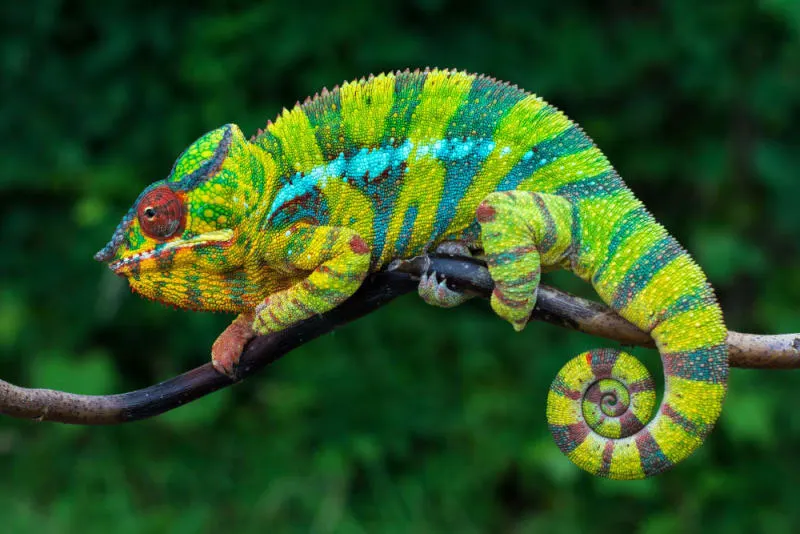
At Santa Cruz Veterinary Hospital, we provide advanced care of exotic animals, including reptiles. Our team is well-versed in the unique biology and needs of reptiles. We emphasize developing a personalized care plan that works to ensure the long-term health of your pet and addresses any of your concerns or questions.
Additionally, our team practices continuing education and advanced training to stay up to date on the latest in advanced treatment of exotic animals, so you can be sure your pet is getting the best possible care at our practice.
Reptiles We Treat at Our Capitola Exotic Animal Hospital
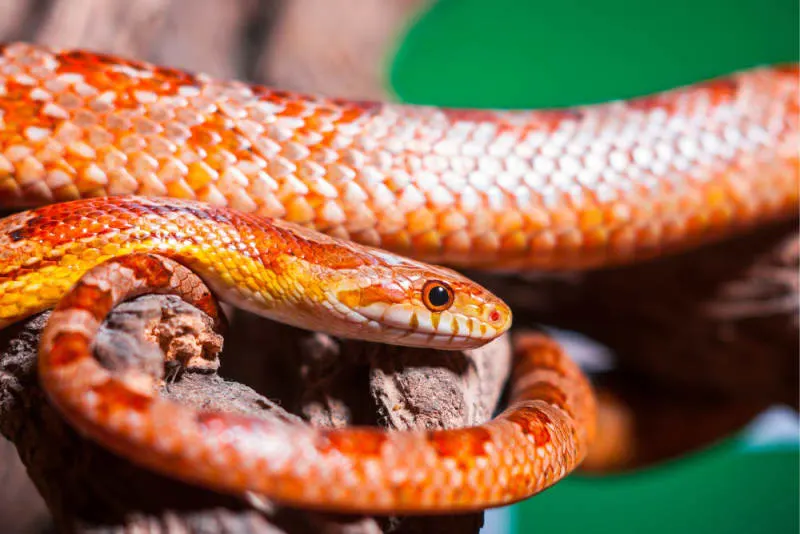
At our practice, we treat a variety of reptile species, including:
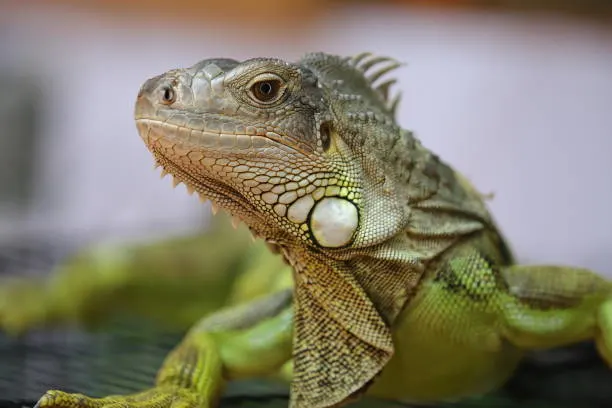
Iguanas

Tortoises
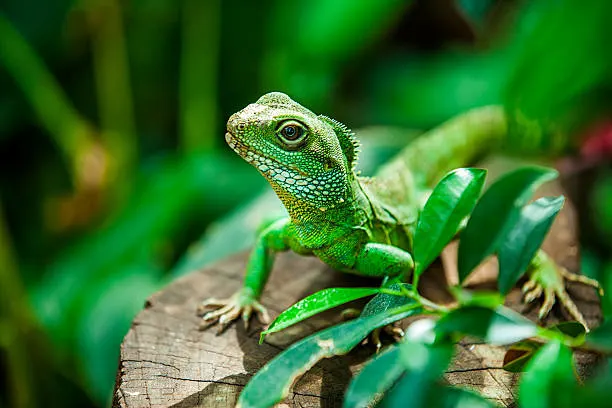
Lizards

Turtles

Snakes
Common Reptile Health Concerns
Respiratory infections
Respiratory infections such as pneumonia and mouth rot can be caused by bacterial infections in reptiles.
Parasites
Internal and external parasites can cause symptoms such as weight loss, lethargy, skin irritation, and redness.
Metabolic bone disease (MBD)
MBD in reptiles is caused by calcium or vitamin D3 deficiencies, which can lead to weak bones and possible deformities.
Calcium Deficiency
Calcium deficiency is common in reptiles and can be caused by a lack of calcium or D3, similar to MBD.
Skin and shedding issues
Dysecdysis refers to the retaining of skin due to low humidity, malnutrition, or other factors. Other common skin and shedding issues in reptiles include scale rot or blister disease.
Shell and bone disorders (for turtles and tortoises)
Turtles and tortoises may experience issues with their shells such as shell rot or abnormal shell growth (known as pyramiding). These issues can be caused by factors such as bacterial or fungal infection, or excess protein.
Impaction
Impaction, or digestive blockage, can be caused by ingesting substrate, or other non-digestible foods.
Injury or Trauma
Reptiles may also experience injuries caused by falls, bites, mishandling, or encounters with another animal.
If you notice any of the symptoms listed above or notice a change in appetite, behavior, swelling, or excess shedding, contact our office today to schedule an appointment.
Diagnostic Techniques & Technology
Our clinic combines detailed diagnostic testing with state-of-the-art veterinary technology to ensure accurate medical results for exotic pets. We conduct the following diagnostic tests at our facility:
Fecal exams
Fecal exams help detect internal parasites and digestive disorders in reptiles.
Blood tests
A reptile’s blood is tested to evaluate organ function, examine for metabolic disorders and nutritional deficiencies, and measure hydration, blood sugar, and blood cell counts.
Radiography (X-rays)
Radiography is conducted to detect any potential fractures, joint problems, or bone deformities, and to identify impactions in a reptile's digestive system.
Our staff uses specialized equipment such as X-ray machines that are designed for use in reptile patients and ensure they undergo a safe, stress-free testing experience.
Treatment Options for Reptiles in Capitola
For reptiles in Capitola, we offer a variety of treatment options, such as topical and systemic medications, fluid therapy, nutritional support, and guidance on environmental adjustments and behavior training. We focus on creating individualized care plans based on the reptile’s species, their overall health profile, and the needs and requests of each owner.
In some cases, rehabilitation services may be needed, such as humidity regulation, temperature adjustment, physical therapy, or habitat enrichment. In the event your reptile needs rehabilitation services, a veterinarian will work with you to determine what can be done at home, and what needs to be worked on at the practice.
Payment Options for Reptiles at Santa Cruz Veterinary Hospital
We understand that quality veterinary care should be accessible, which is why we offer flexible payment and financing options that break large payments into smaller, more manageable increments paid over time. Learn more about our financing options here.

Pay for treatments and routine visits over time with convenient monthly payments.

Scratch offers simple, transparent payment plans for your veterinary needs.

Protect your pet with insurance that covers exams, treatments, and emergencies. Contact us to learn which plans we work with.
Frequently Asked Questions About Reptile Veterinary Care
In general, you should plan to bring your reptile in for a veterinary check-up at least once per year. However, you should schedule a more immediate appointment if you notice any signs of a potential illness or if you have an older reptile who needs more routine care.
Increasing the humidity inside your reptile’s enclosure should help them shed more easily. You can also provide rough or abrasive surfaces in the enclosure for them to rub against. If the issue persists, schedule a visit with our veterinary team.
Most antibiotics are safe for reptiles but should be administered via injection, except for very small species, which do not have enough muscle mass for an injection. Before administering any antibiotics, check with a veterinary professional to ensure the medication is safe for that specific species.
Book an Appointment at Santa Cruz Hospital
New pets are always welcome at Santa Cruz Hospital. Our friendly veterinary staff looks forward to providing our neighbors in Capitola and surrounding communities with the veterinary care they need.
Book Online